Why Proper Metal Fabrication Matters in Iron Restoration
Proper metal fabrication plays an essential role in iron restoration, where the primary focus centers on reviving the original structural integrity and aesthetic beauty of historical ironwork. These careful restoration efforts preserve important cultural heritage while ensuring that architectural masterpieces remain safe and functional for future generations to enjoy. The intricate processes involved demand meticulous attention to detail along with a thorough understanding of historic construction methods. By utilizing specialized metal fabrication services to restore damaged elements, property owners, community leaders, and preservationists can honor the past while extending the lifespan of vital structures.
Understand Metal Fabrication Fundamentals
Metal fabrication in iron restoration transforms raw materials and damaged components into fully restored architectural elements. Craftsmen utilize techniques such as cutting, bending, and forging while remaining faithful to the original design and quality of historical structures. Classical Gothic and Renaissance ironworks frequently demand a blend of traditional hand-forging techniques and contemporary precision equipment. Relying on professional metal fabrication services allows artisans to shape materials accurately to fulfill strict preservation goals while upholding the structural standards required for long-term stability.
Selecting appropriate materials remains essential to the success of any historic restoration endeavor. Fabricators carefully analyze historical compositions to choose wrought iron, cast iron, or structural steel that matches original characteristics while resisting modern environmental threats. Proper material selection prevents recurring issues such as premature rusting, chemical incompatibility, or structural misalignment. Artisans who understand these material dynamics ensure that replacement parts blend seamlessly with surviving historical ironwork, maintaining visual balance and long-term structural durability.
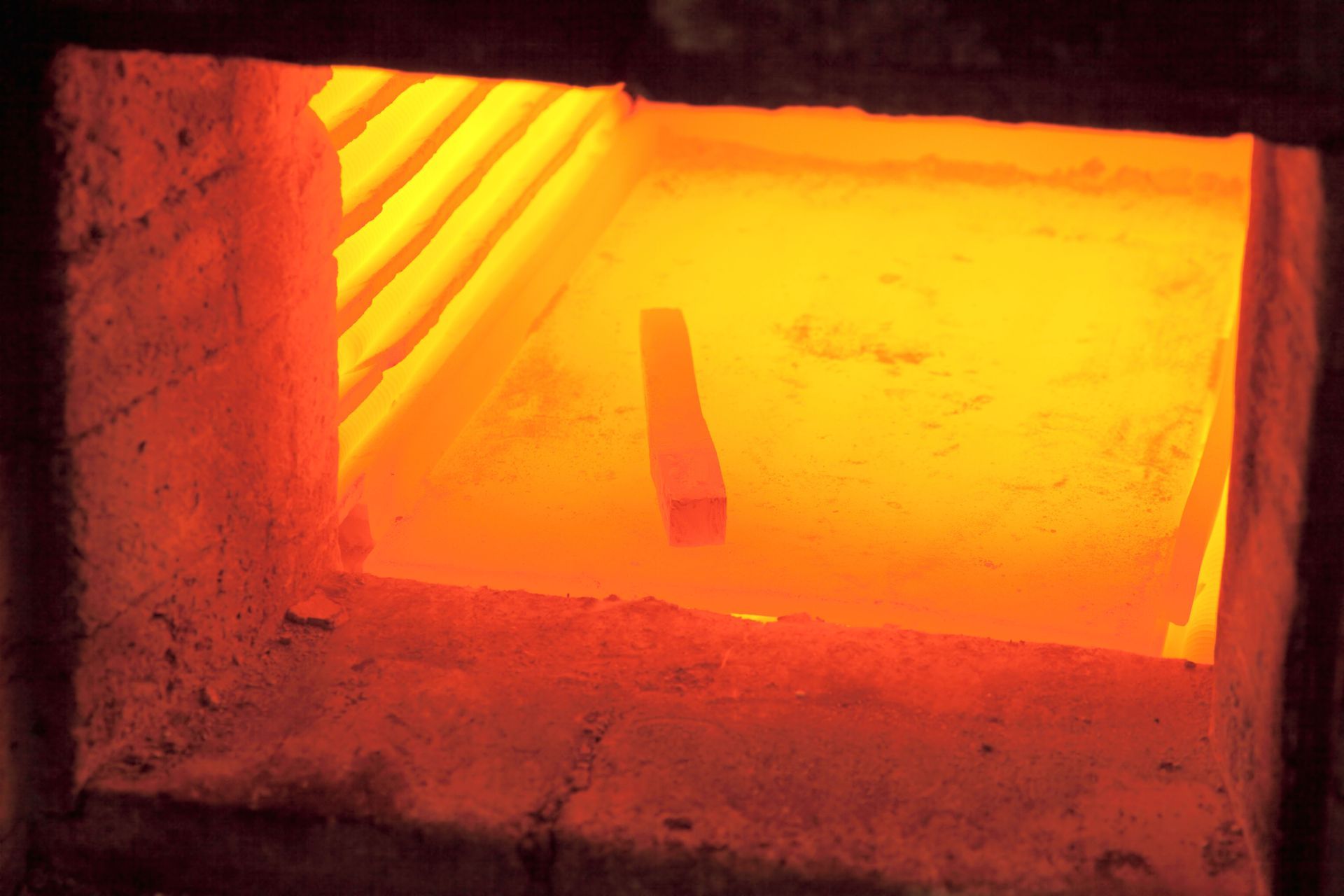
Skilled artisans apply rigorous quality control measures and specialized tools throughout the entire fabrication process to maintain high standards. Workstations blend traditional anvils and hammers with computer-aided machinery and advanced welding tools to address diverse structural challenges. Continuous quality inspections verify that all fabricated components comply with strict preservation guidelines and local building codes. Adhering to established benchmarks guarantees that restored ironwork retains authentic craftsmanship while providing modern safety, structural resilience, and aesthetic appeal.
Preserve Historical Architectural Aesthetics
Ironwork designs have evolved significantly over many centuries, reflecting changing artistic movements, cultural trends, and technological capabilities. From utilitarian medieval iron pieces to the highly ornate patterns seen in Baroque architecture, each distinct era established unique aesthetic characteristics. Preservationists and fabricators must thoroughly study these historical design lineages to execute accurate restorations. Recognizing specific stylistic nuances allows craftspeople to recreate damaged decorative details with the exact level of artistry intended by the original makers.
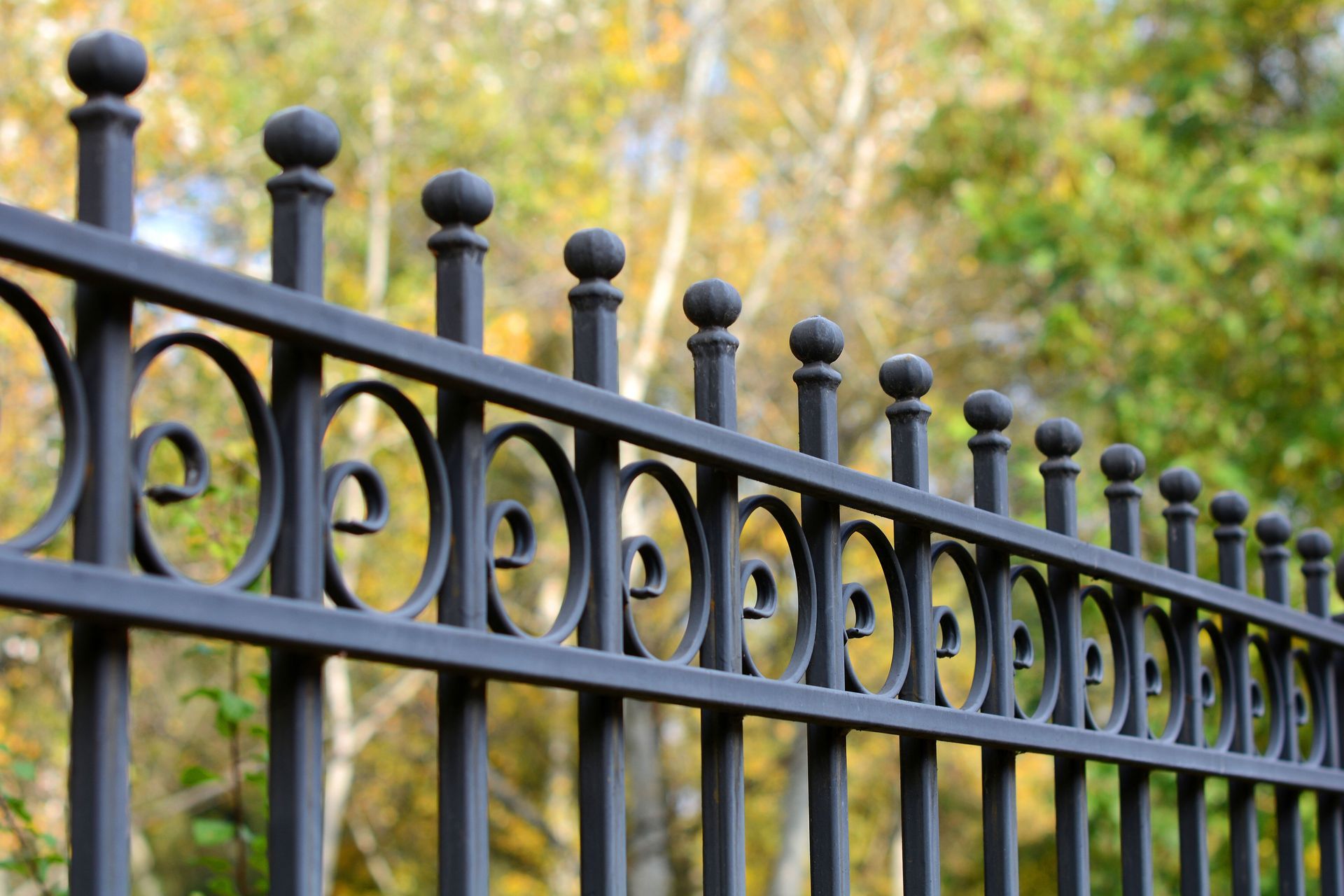
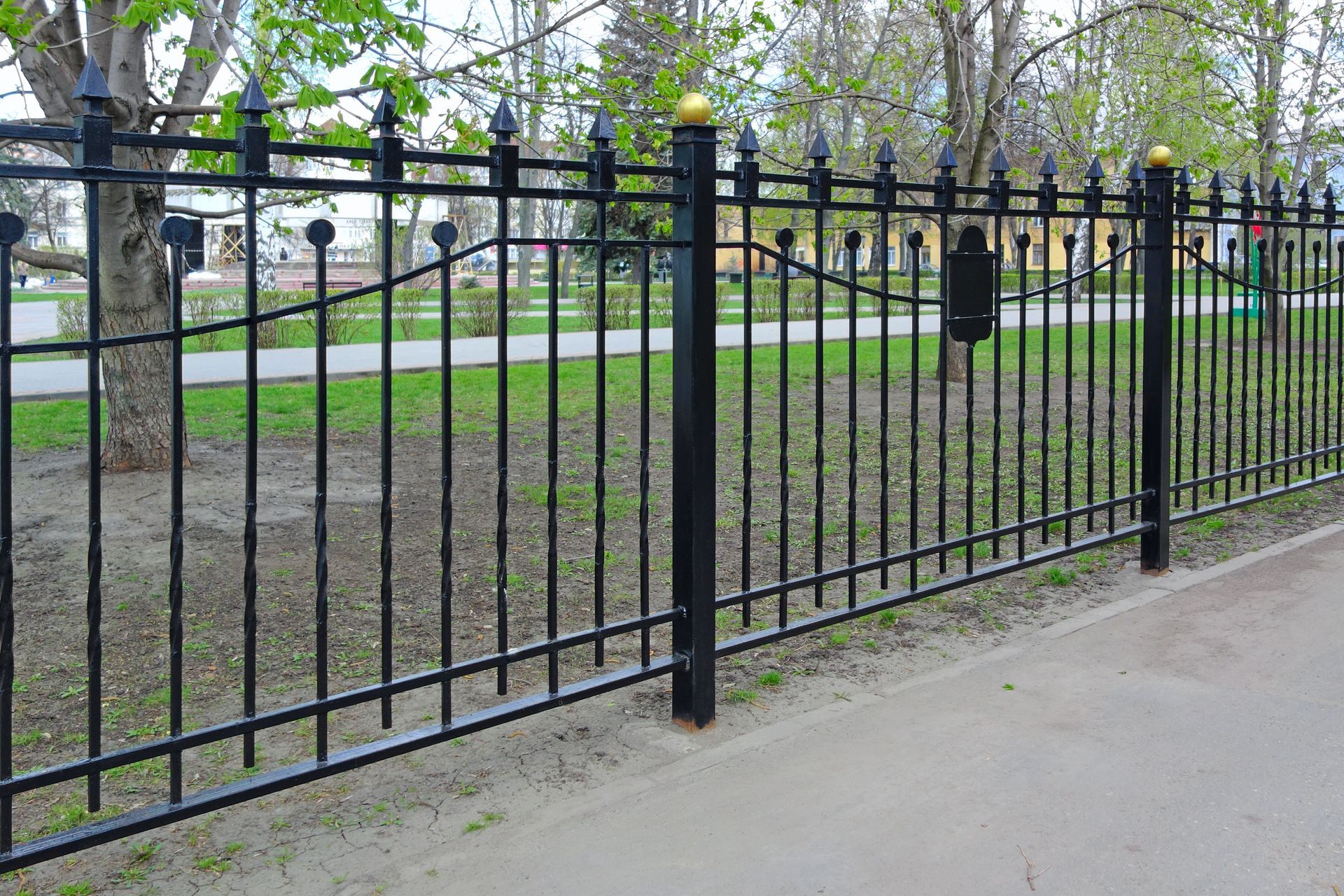
Architectural ironwork serves as a physical connection to historic eras, embedding cultural narratives into gates, railings, and building facades. Restoring these features involves far more than basic structural stabilization; it requires preserving the unique artistic character inherent in each individual piece. Engaging high-quality metal fabrication services ensures that missing or deteriorated sections are meticulously reconstructed without sacrificing original details.
Managing complex restoration challenges requires creative problem-solving and technical expertise. Deterioration from weather exposure, missing documentation, and severe corrosion often complicate restoration projects. Fabricators must carefully research surviving physical samples and archival documentation to guide their reconstruction decisions. By combining historical analysis with custom fabrication techniques, artisans successfully overcome environmental degradation, producing seamless repairs that respect the original builder's artistic intent while standing firm against future weathering.
Leverage Modern Technological Innovations
Modern technology has dramatically expanded the capabilities of iron restoration, offering innovative methods to recreate complex decorative details with remarkable accuracy. Advanced software systems and digital modeling allow fabricators to analyze decayed components before physical work begins. Today, modern metal fabrication services incorporate advanced software to map intricate patterns, drastically reducing manual errors and streamlining complex production schedules. These digital tools enable precise component matching, allowing intricate iron features to fit perfectly into original assemblies.
Contemporary welding methods and advanced alloy options elevate the overall quality and durability of restored ironwork. Specialized welding techniques, including gas metal arc and laser welding, create extraordinarily strong joints while minimizing heat distortion on delicate historical metal. In addition, the strategic use of modern metal alloys containing nickel or chromium provides enhanced corrosion resistance without altering external appearances. These technological choices strengthen structural connections and protect restored elements against severe environmental conditions.
Integrating smart technologies into fabrication and long-term maintenance protocols marks another major advancement in building preservation. Embedded sensors can monitor structural health in real time, detecting subtle shifts or internal stresses before visible damage occurs. Combining digital modeling, modern metallurgy, and real-time monitoring transforms historic preservation into a precise, technology-driven discipline.
Implement Sustainable Environmental Practices
Environmental sustainability has become a key priority within the restoration field, driving the adoption of eco-friendly materials and energy-conscious processes. Fabricators increasingly utilize recycled metals and low-VOC protective coatings to reduce the ecological footprint of restoration projects. These sustainable choices minimize environmental impact while providing durable protection against moisture and atmospheric pollutants. Aligning historic preservation with green practices ensures that heritage conservation contributes positively to modern environmental goals.
Energy efficiency and effective waste management are essential components of modern fabrication operations. High-efficiency machinery, optimized heating processes, and scrap metal recycling programs help shops conserve valuable resources during production. Eco-friendly metal fabrication services reduce environmental impact by systematically recycling metal offcuts and repurposing vintage components whenever feasible. Minimizing workshop waste and energy consumption lowers overall operational costs while supporting broader global conservation standards.
Restoration projects generate positive environmental impacts within local communities by revitalizing public spaces and preserving historic urban landscapes. Reusing existing structural materials avoids the heavy environmental costs associated with complete demolition and new manufacturing. Careful planning ensures that site work causes minimal disruption to surrounding habitats and urban environments. Through thoughtful execution, sustainable iron restoration protects cultural heritage while promoting healthier, more vibrant communities.
Evaluate Economic and Community Values
Iron restoration requires specialized labor and carefully sourced materials, making economic planning an important aspect of every project. Skilled artisans undergo years of rigorous training to master both traditional forging methods and modern machine operations. Material selection also influences project budgets, as acquiring high-grade metals that match historic compositions requires dedicated sourcing efforts. Balancing labor costs and material expenses guarantees that restoration endeavors remain financially viable while delivering uncompromised quality.
Restoration operations represent an important economic sector that generates skilled jobs and supports local business ecosystems. According to data provided by IndustrySelect, roughly 18% of the metal fabrication firms across the United States are located in the Northeast. This concentrated industry presence highlights how regional manufacturing networks support specialized historic preservation activities. Investing in skilled trade education and modern workshop facilities strengthens local economies while preserving vital craft knowledge for future restoration projects.
Restored historic landmarks deliver long-term economic benefits to surrounding communities by encouraging heritage tourism and enhancing local property values. Beautifully preserved iron gates, balconies, and architectural accents elevate the visual appeal of commercial and residential districts alike. Investing in expert metal fabrication services yields significant long-term savings by preventing structural failures and reducing recurring maintenance needs. Maintaining these historical assets enriches community culture while driving sustained local economic vitality.
Proper metal fabrication forms the foundation of every successful iron restoration project, enabling historical structures to retain their structural integrity and artistic charm. From careful material selection and traditional hand forging to advanced digital modeling and sustainable practices, each step contributes to preserving historical heritage. Trusting comprehensive metal fabrication services preserves our shared structural heritage while ensuring these architectural treasures endure for future generations. To protect your historical investment and revive your architectural ironwork, contact South Georgia Ornamental Iron, LLC today to discuss how we can bring your vision to life.
Share On: