
A Brief History and Overview of Iron Fabrication
The history of human progress is deeply intertwined with the evolution of metallurgy, and among all the metals discovered by humanity, iron stands as a monumental pillar of industrial growth. From the early days of forging basic survival tools to the creation of sprawling modern structural frameworks, the manipulation of this robust material has constantly pushed the boundaries of technology. Understanding this journey requires looking at how raw ore transforms into durable structures, a complex process that relies heavily on the expertise of a professional metal fabricator. Over the centuries, techniques have evolved from rudimentary heat treatments to highly sophisticated engineering practices, enabling us to reshape the modern landscape.
Begin With the Origins of Iron Fabrication
The early uses of iron can be traced back to as early as 4000 BC, when ancient people utilized meteoritic iron to fashion small tools and decorative objects. The true transition from the Bronze Age to the Iron Age occurred around 1200 BC, marking a crucial period in human history that altered the trajectory of civilizations. Unlike bronze, iron offered unprecedented strength and durability, making it an invaluable material for tool and weapon manufacture. During this era, societies learned to smelt iron ore, creating more sophisticated products that contributed to the advancement of agricultural practices. Ancient civilizations such as Egypt, Mesopotamia, and India began to harness iron, setting the stage for further developments in metallurgy.
The transition to widespread iron utilization was crucial for technological and cultural evolution across continents. This period saw the implementation of iron tools, which completely revolutionized agriculture, warfare, and construction methods. While the Bronze Age nurtured the growth of early civilizations, the Iron Age introduced extensive societal advancements due to the increased availability and utility of iron. For instance, according to Science Direct, the historical development of cast iron took place in China around the 8th century AD, showcasing early innovation and metallurgical expertise. This massive breakthrough in global metallurgy provided a foundational stepping stone for future technological developments around the world.
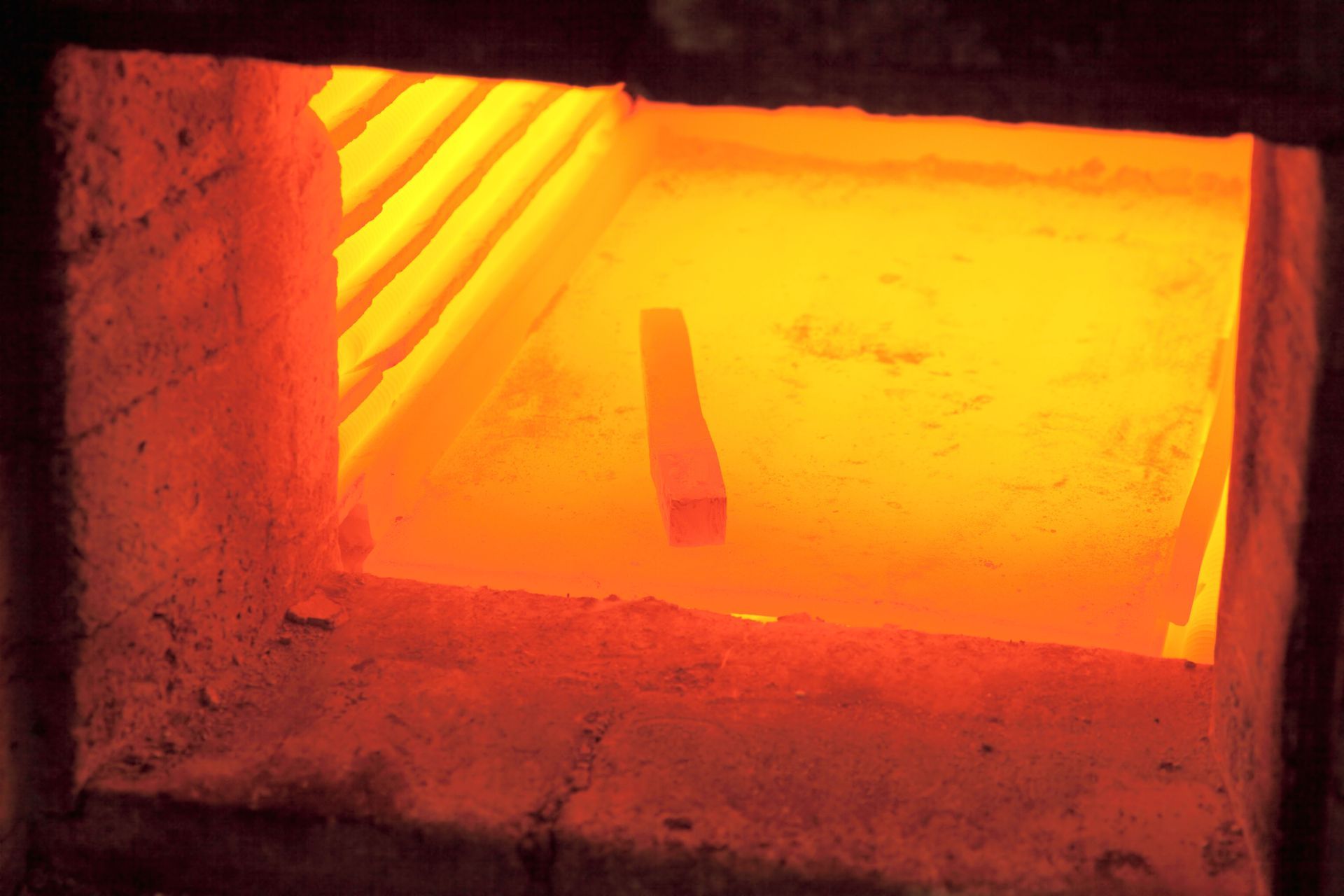
An overview of ancient ironworks reveals various techniques employed by early civilizations to manipulate raw iron ore into usable forms. Techniques such as bloomery smelting allowed for the production of wrought iron, an essential material for early building and construction. However, it was not until the development of the blast furnace that production truly escalated, leading to increased productivity and a wider diversity of iron products. As civilizations advanced, so did their ability to produce iron on a larger scale, with processes becoming more refined over time.
Analyze the Industrial Revolution and Its Impact
The Industrial Revolution marked a transformative period for the metalworking industry, characterized by the introduction of new machinery and automated techniques. Innovations such as the steam engine and power looms revolutionized production methods, dramatically increasing output and efficiency across factories. The development of the hot blast smelting technique further enhanced these advancements by reducing fuel consumption and increasing the efficiency of iron production. As a result, iron industries expanded rapidly, creating a robust infrastructure that supported burgeoning industrial activities. This widespread use of iron became completely synonymous with the incredible industrial growth of the 19th century.
During this era of rapid expansion, a business owner or builder would regularly consult a skilled metal fabricator to secure the structural components necessary for large-scale operations. The mass production of iron products became feasible during this era, addressing the global demand for infrastructure and transportation networks. Railways and shipbuilding rapidly expanded, relying heavily on iron's strength and versatility to cross vast distances safely. These developments not only facilitated the movement of goods and people but also helped to form the connective tissue of modern economies. The durability and performance of iron made it an ideal material for the various engineering feats achieved during this time.
Understand Modern Fabrication Techniques
In the modern era, production continues to evolve with the development of current smelting and refining technologies. Processes such as electric arc furnaces and continuous casting have modernized iron production, emphasizing manufacturing efficiency and material quality. These methods have revolutionized the industry by reducing operational costs and environmental impact while increasing precision. Furthermore, they facilitate the creation of high-performance alloys tailored for specific structural uses. Through these advancements, the iron industry has maintained its essential role in global infrastructure projects and modern architectural developments.
When a modern project requires precise customization, a qualified metal fabricator is brought in to ensure the structural components meet exact engineering standards. The introduction of advanced steel fabrication marked a significant turning point, allowing for the development of a vast range of durable materials. Steel, with its superior structural properties, has become indispensable in modern engineering, construction, and manufacturing. The ability to create alloys with varied compositions and properties has enhanced the adaptability of metals to meet diverse industrial needs. As a result, refined iron alloys are now fundamental to sectors as varied as transportation, construction, and aerospace.
Evaluate Applications of Fabricated Iron Today
The applications of fabricated iron in infrastructure and construction are vast, multifaceted, and essential to modern life. Iron and its various alloys are commonly used in structural components, bridges, and reinforced concrete due to their strength and durability. This makes them invaluable in building safe, resilient structures that can withstand modern engineering and environmental challenges. Beyond standard construction, iron plays a critical role in infrastructure projects, including transportation networks, energy generation, and telecommunications. The versatility of iron ensures its continued demand as societies develop and expand their infrastructural needs.
For intricate architectural designs and heavy-duty structural frames, a specialized metal fabricator handles the delicate process of shaping the raw material into a finished product. In the automobile industry, iron and steel are essential materials due to their workability, strength, and compatibility with complex manufacturing processes. Automakers rely on various steel alloys for engine components, body panels, and the framework of vehicles, contributing to weight reduction without compromising safety. As technology evolves, the demands for materials that can provide enhanced performance while aiding in efficiency continue to grow.
Predict Challenges and the Future of the Industry
The challenges facing the iron industry today are deeply intertwined with sustainability and environmental impact. The industry is tasked with minimizing its carbon footprint, addressing pollution, and enhancing resource efficiency during the manufacturing process. Globally, there is an increased focus on the circular economy, which emphasizes recycling and waste reduction in metal production. Facilitating these changes requires ongoing investment in research and the adoption of best practices across facilities. Meeting these environmental goals is critical for ensuring the long-term viability and acceptance of production in modern industrial landscapes.
As new technologies emerge, a forward-thinking metal fabricator will often adopt advanced automation tools to increase precision and reduce material waste. Technological innovations on the horizon include advances in artificial intelligence, automation, and innovative smelting techniques designed to improve efficiency and sustainability. These technologies offer the potential to revolutionize iron production, enabling real-time data analysis, predictive maintenance, and optimized production cycles.
Choose Professional Quality Structural Iron
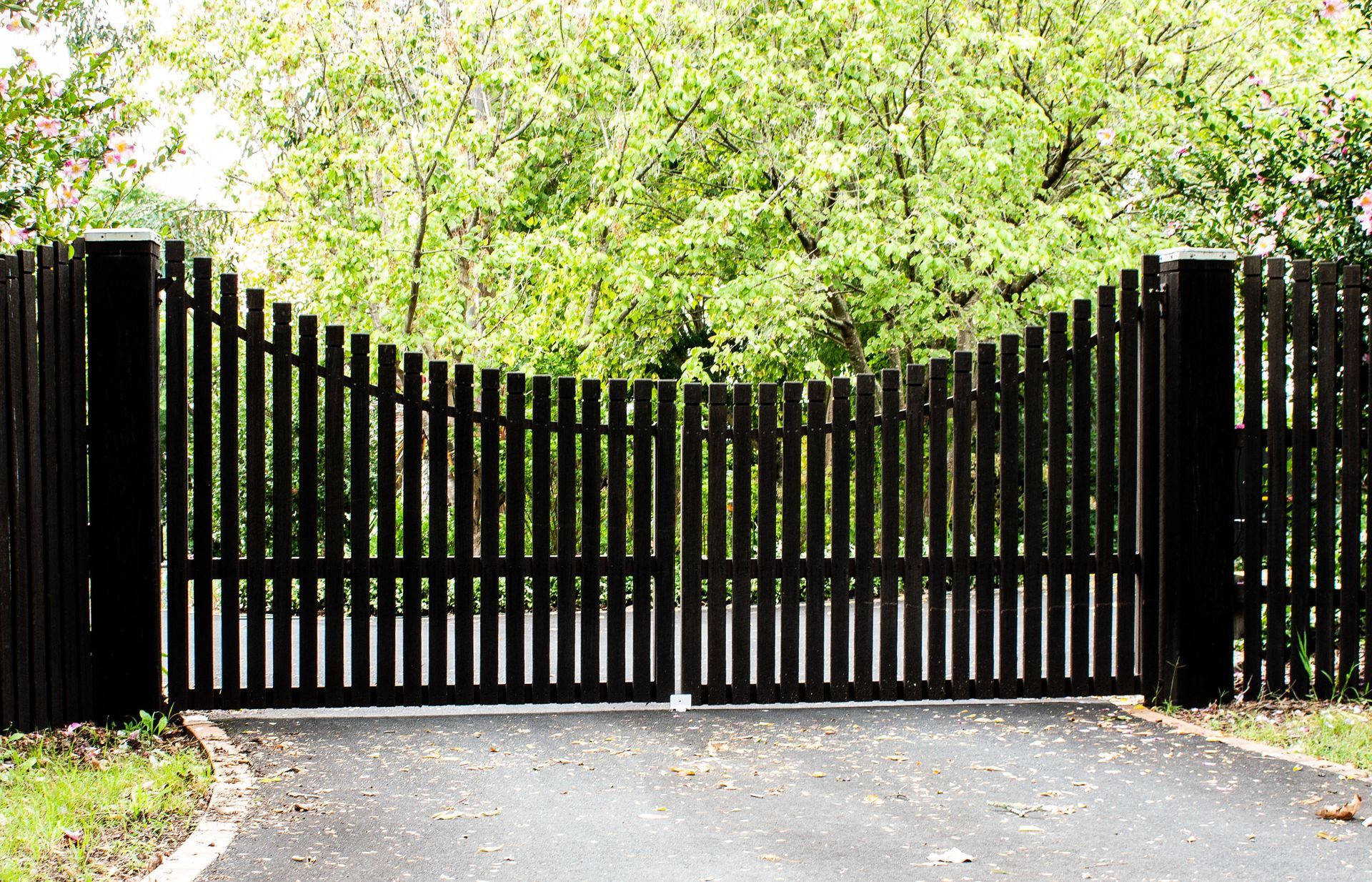
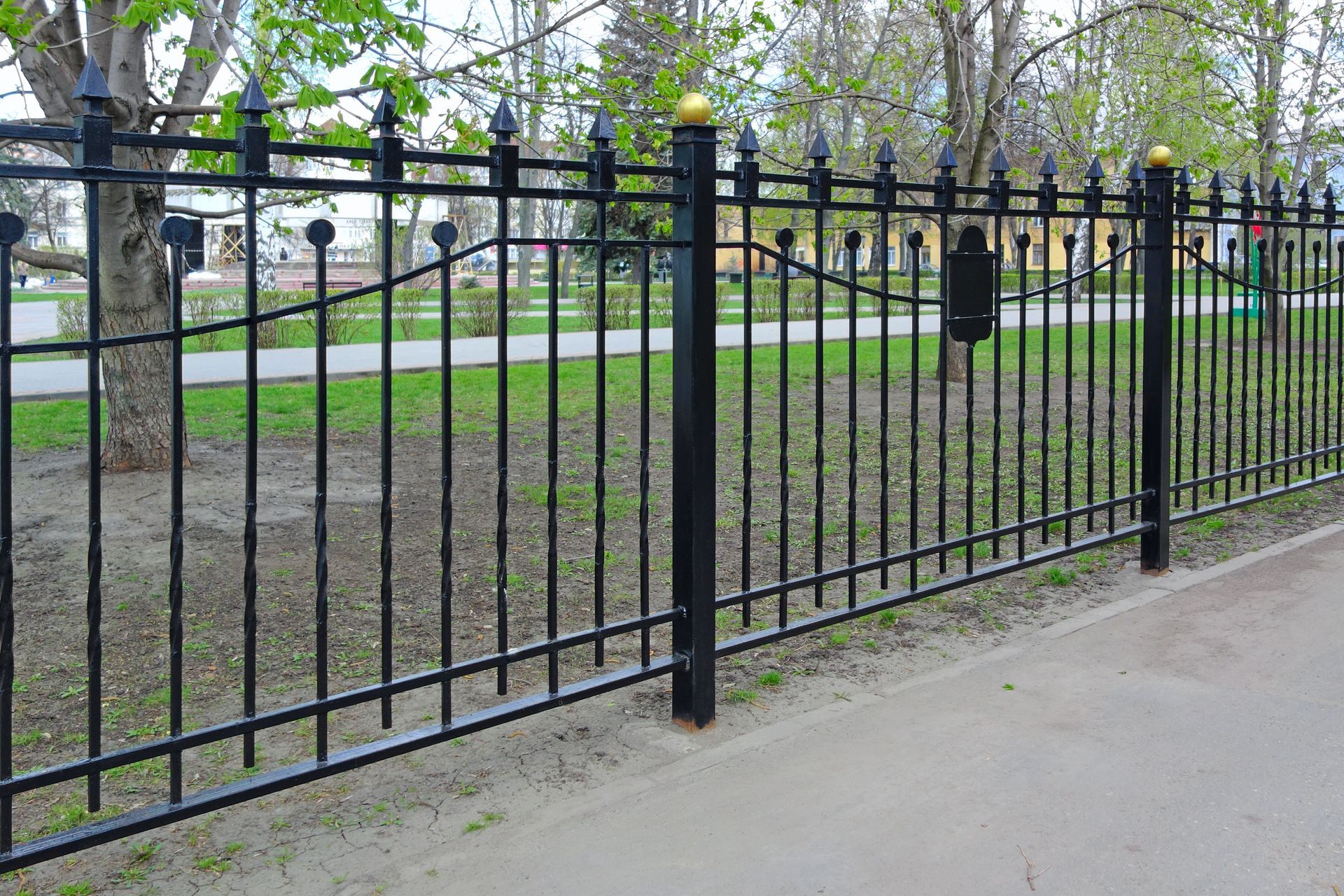
When looking for structural components or architectural elements, working with an experienced metal fabricator ensures that the finished product is durable, precise, and built to last. The fabrication process requires specialized machinery and deep technical knowledge to transform raw metal into functional pieces that meet strict engineering codes. From heavy structural beams to custom ornamental pieces, professional fabrication guarantees structural integrity and aesthetic appeal. Choosing professional fabrication services protects your investment and ensures that every iron component is tailored specifically to the unique layout and demands of your project.
In conclusion, the evolution of iron fabrication stands as a brilliant testament to human innovation and adaptability over thousands of years. From ancient smelting techniques developed centuries ago to modern, high-tech automated processes, the journey of iron has been marked by pivotal advancements that have transformed industries and societies alike. Its applications have shaped the modern world, and ongoing advancements continue to promise exciting developments in areas such as sustainable construction, transportation, and architectural design. As we face new structural challenges, iron remains a vital component of solving modern industrial and design requirements. At South Georgia Ornamental Iron, LLC, we bring decades of dedication, skill, and premium craftsmanship to every project we undertake. If you are ready to elevate your property with high-quality structural or decorative ironwork, we invite you to visit southgeorgiairon.com today to contact a metal fabricator and request a consultation for your next project.

Share On: