
7 Ways Skilled Metal Fabricators Elevate Custom Iron Gates and Railings
Custom iron gates and railings do more than mark boundaries or provide support. They shape the first impression of a property, improve safety, and add architectural character that can last for decades. Whether the design is traditional, modern, decorative, or understated, the quality of the finished piece depends heavily on the skill behind it. Experienced metal fabricators combine technical knowledge, design awareness, and precise workmanship to turn raw materials into features that look intentional and perform reliably. Their involvement can also simplify decisions about proportions, finishes, hardware, and installation methods, giving property owners a clearer path from the initial concept to the completed feature.
1. Translating Ideas Into Functional Designs
A custom project often begins with a rough idea, a sketch, or inspiration from another property. Skilled metal fabricators know how to turn that starting point into a practical design that fits the available space and supports the intended use. They consider dimensions, traffic patterns, mounting locations, code requirements, and visual balance before fabrication begins. This planning helps prevent problems such as gates that swing into walkways, railings that feel too low, or decorative elements that interfere with function.
Experienced professionals also understand how to preserve the homeowner's vision while making necessary adjustments for strength and usability. A highly detailed design may need thicker supports, wider spacing, or modified curves to remain durable. By identifying these needs early, the fabricator can protect the original style without compromising performance. The result is a gate or railing that feels customized rather than simply assembled from standard parts. Thorough planning can also reduce costly revisions during fabrication, since potential conflicts are addressed before materials are cut, bent, or welded.
2. Selecting Materials for Lasting Performance
The type and grade of metal used in a project influence its appearance, weight, strength, maintenance needs, and resistance to weather. Professionals evaluate where the feature will be installed and what conditions it will face before recommending materials. Exterior gates may need extra corrosion resistance, while interior railings may allow for more delicate details and lighter finishes. Material selection also affects how well the piece can be shaped, welded, and coated. The location matters as well, since a coastal property, pool area, shaded garden, or busy commercial entrance may expose the metal to very different conditions.
Skilled metal fabricators can explain the differences among wrought iron, steel, aluminum, and other options without overwhelming the property owner. They may recommend solid stock for high-impact areas, hollow sections for lighter decorative components, or galvanized materials for added protection. According to IndustrySelect, fabricated structural metal products make up 47 percent of the fabricated metals industry. That broad use reflects how important material choice is across both decorative and structural applications.
3. Shaping Details With Greater Precision
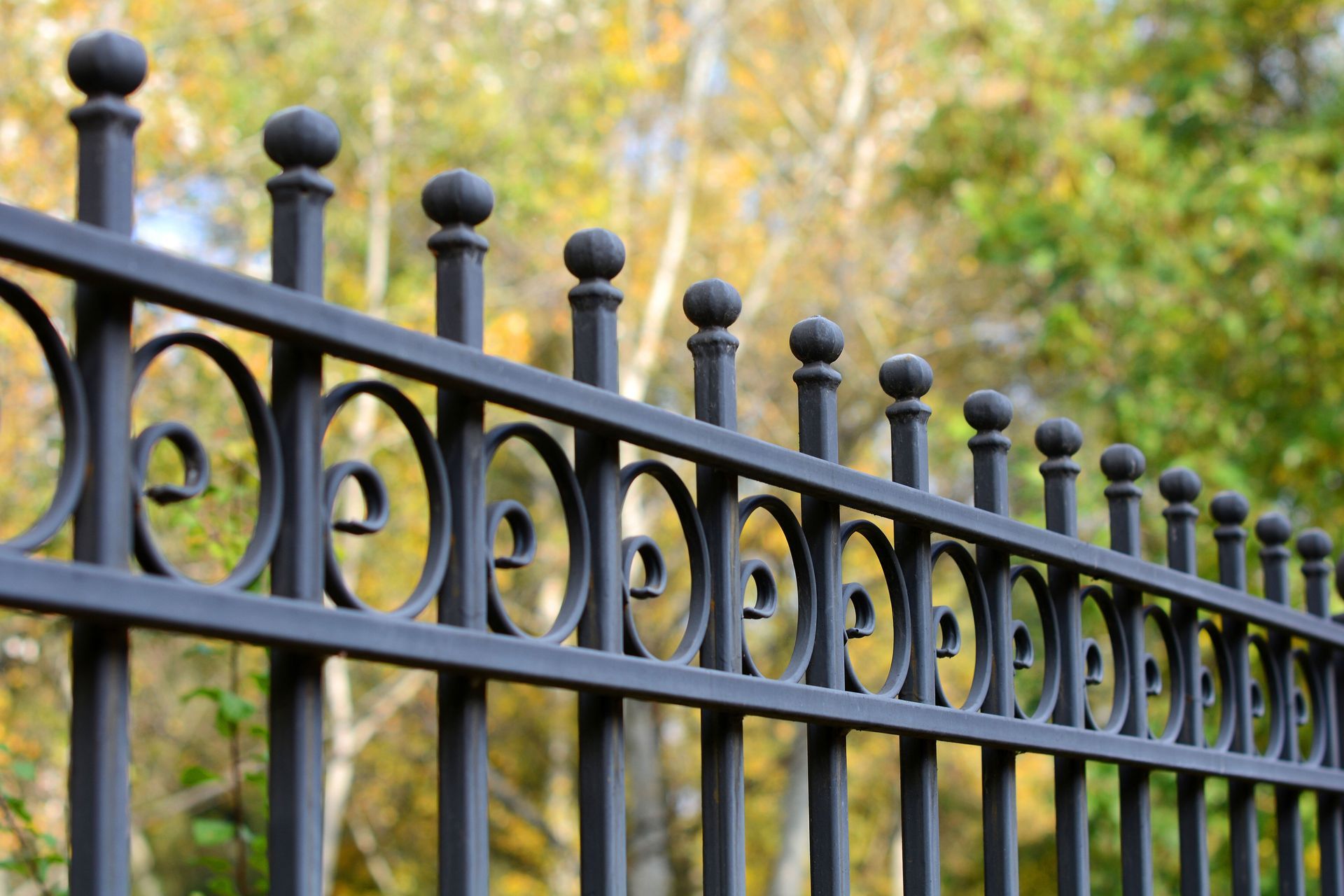
Custom ironwork often includes scrolls, twists, curves, pickets, finials, geometric patterns, or personalized symbols. Creating these features consistently requires more than basic cutting and assembly. Fabricators use specialized tools and controlled techniques to shape each component so that repeated elements match and complex patterns remain balanced. Even small differences in spacing or alignment can become obvious once a gate or railing is installed.
Precision also matters where decorative parts connect to structural components. Poorly fitted pieces may leave visible gaps, weak joints, or uneven surfaces that distract from the overall design. Careful measuring, forming, and finishing allow each element to fit naturally into the larger piece. This level of detail gives custom ironwork a refined appearance and helps it look appropriate for the architecture surrounding it. Precise fabrication can also improve symmetry across long railing runs or paired gates, where inconsistencies are especially easy to notice.
4. Strengthening Connections for Reliable Safety
Gates and railings must do more than look attractive. Railings need to provide dependable support, while gates must handle repeated movement, weather exposure, and occasional impact. Strong welds, properly sized fasteners, stable posts, and reinforced connection points all contribute to long-term safety. Experienced professionals understand how loads move through the structure and where additional support may be necessary.
Qualified metal fabricators inspect joints closely and use welding methods suited to the material and thickness involved. They also reduce sharp edges, rough welds, and protruding components that could create safety concerns. For gates, they pay close attention to hinges, latches, frames, and support posts because these areas experience constant stress. Strong connections help the finished installation remain stable instead of sagging, loosening, or shifting over time. This is particularly important around stairs, balconies, elevated walkways, and frequently used entrances, where dependable support and predictable operation are essential.
5. Matching Ironwork to the Property's Architecture
Custom iron features should complement the building and landscape rather than appear disconnected from them. A historic home may look best with ornate curves and classic finials, while a contemporary property may benefit from clean lines and minimal detailing. Fabricators study nearby materials, rooflines, entryways, columns, masonry, and exterior colors to create a design that feels like a natural extension of the property.
This design coordination is especially valuable when gates and railings will be installed in multiple locations. Matching motifs, proportions, and finishes can create continuity from the driveway entrance to the front steps, balcony, patio, or garden. Skilled metal fabricators can repeat key visual elements without making every piece identical. That balance creates a cohesive look while allowing each feature to suit its specific space and function.
6. Applying Finishes That Protect the Metal
Even well-fabricated ironwork can deteriorate if the surface is not prepared and finished correctly. Moisture, salt, humidity, sunlight, and temperature changes can gradually damage exposed metal. Before applying a coating, professionals remove contaminants, smooth imperfections, and prepare the surface so the finish can bond properly. Skipping these steps may lead to bubbling, flaking, rust, or uneven color.
Depending on the project, finishing options may include paint, powder coating, primers, sealants, or specialty treatments. The right system can improve corrosion resistance while supporting the desired color and texture. Fabricators can also recommend maintenance practices that help preserve the finish, such as cleaning debris, touching up chips, and checking joints for early signs of wear. Proper finishing protects both the appearance and structural integrity of the piece. It can also make routine cleaning easier and help decorative details remain visible and attractive.
7. Installing Each Feature for a Precise Fit
Installation is where the design, measurements, and fabrication work come together. A gate that is even slightly misaligned may drag, fail to latch, or place unnecessary pressure on its hinges. A railing must follow stairs, landings, and slopes accurately while remaining securely anchored. Professionals verify measurements again at the site and make controlled adjustments when real-world conditions differ from the original plans.
Experienced metal fabricators also account for concrete, masonry, wood framing, drainage, and ground movement when choosing anchoring methods. They position posts carefully, align panels, test moving parts, and confirm that handrails feel comfortable and stable. Proper installation protects the custom piece from avoidable stress and gives the property owner confidence that it will function as intended from the first day.
Custom iron gates and railings can improve security, safety, curb appeal, and architectural character, but those benefits depend on thoughtful design and skilled execution. From material selection and precision shaping to strong welding, protective finishing, and accurate installation, metal fabricators influence every part of the finished result. Their expertise helps turn a creative concept into ironwork that fits the property, performs reliably, and maintains its appeal over time. To discuss a custom gate, railing, or ornamental iron project, contact South Georgia Ornamental Iron, LLC.
Share On: